Home Sellers
What Should You Know Before Pricing an Inland Empire Property?
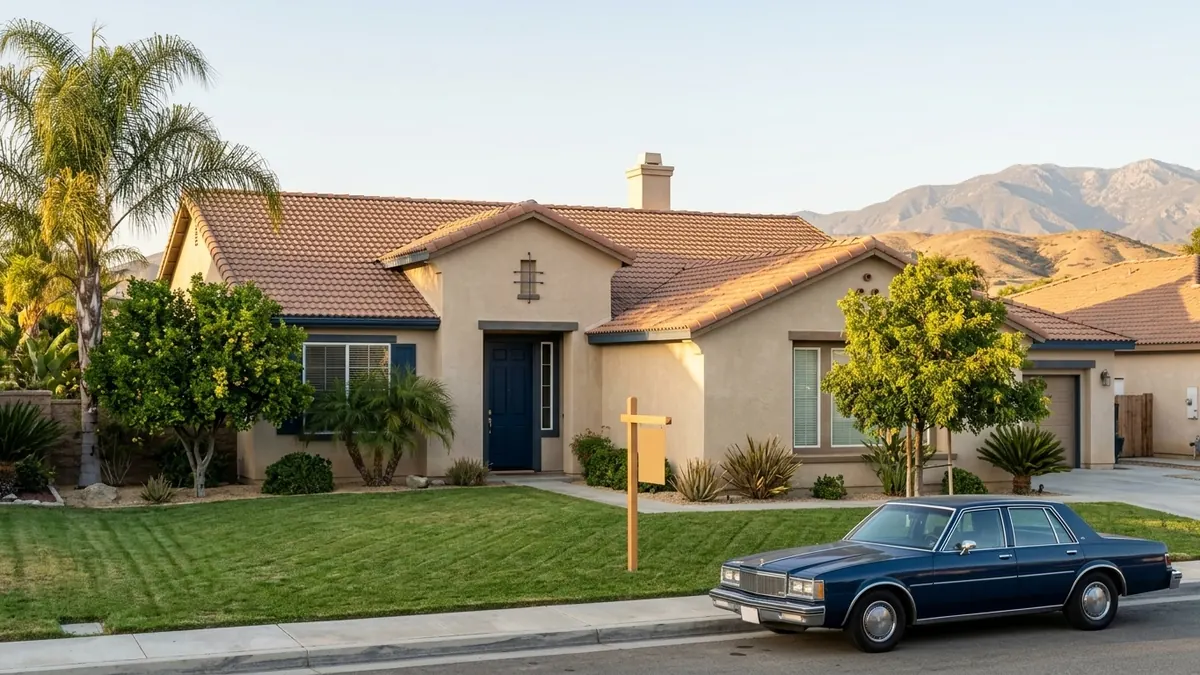
Pricing starts with your specific property and the homes competing with it nearby, not a regional headline. Gather your property’s condition, recent nearby sales, what is active now and your timeline, then recheck all of it at listing time.
On this page
Start With Your Property, Not the Headline
Before you price an Inland Empire property, you should know three things: the condition your property is actually in, what similar properties near you have recently sold for, and what is competing with you for buyers right now. A regional headline about the Inland Empire tells you the direction of a very large market. It does not tell you what a buyer will pay for your house on your street this month. Pricing starts at the property and works outward, not the other way around.
The question matters because the Inland Empire is not one market. It stretches from suburban tract neighborhoods in Corona and Eastvale to established streets in Riverside, mountain cabins around Lake Arrowhead and Crestline, high desert property near Morongo Valley, and parcels of vacant land in between. A price trend that describes the whole region is an average of all of those. Your property sits in exactly one of them, and that is the comparison that counts.
Headlines still have a place. They tell you whether buyers across the region are facing more or fewer choices than they were a season ago, and whether sellers in general are getting close to their asking prices. Use that as background. Then set it aside and look at the handful of properties a buyer would actually weigh against yours, because that small group, not the region, decides where your price needs to land.
What to Gather Before the Conversation
A pricing conversation goes faster and lands closer to the truth when you arrive with facts instead of impressions. None of this requires special access: most of it you already know, and the rest can be pulled from public listing sites and your own records in an afternoon. Lindsey Shortland will bring the sales data, but the picture is far sharper when you bring the property side. Here is what to gather first.
- An honest account of your property’s condition, including the repairs you have deferred and the updates you have made
- Recent closed sales of similar properties near you, with what they sold for rather than what they asked
- The properties currently for sale nearby that a buyer would tour on the same afternoon as yours
- Your real timeline, including any purchase, move or deadline that depends on this sale closing
How the Region Changes the Comparison Set
The comparison set is the group of properties a buyer would realistically consider instead of yours. In a newer tract neighborhood that group is easy to find, because dozens of homes share the same floor plans and the same builder. In an older neighborhood, a mountain community or on vacant land, it gets harder, and the common mistake is to borrow comparisons from a property type that does not behave like yours. Here is how the set shifts by property type across the region.
- Tract homes in Corona or Eastvale, where the same floor plan a few streets over is the closest comparison
- Older neighborhoods in Riverside or San Bernardino, where lot size, additions and condition vary house to house
- Mountain communities like Lake Arrowhead or Crestline, where seasonal use and the condition of the structure weigh heavily
- Condos and townhomes anywhere in the region, where the association, its dues and its rules shape the comparison
- Vacant land in the mountains or the high desert, where recent parcel sales are scarce and each one needs context
Reading Recent Sales and Active Listings
Closed sales tell you what buyers have actually paid. They are the firmest evidence you have, but they have a lag: a sale that closed last month was negotiated a month or two before that, under whatever conditions existed then. The more recent and the more similar the sale, the more weight it deserves. A sale from a different property type, a different part of the city or a different season deserves less, no matter how convenient the number looks.
Active listings tell you something different: what you are up against. A buyer touring homes in your price range will see them on the same day they see yours, so their condition, their presentation and their asking prices set the frame for how your property reads. An active listing is not proof of value, because nobody has paid that number yet. It is proof of competition, which affects your plan just as much.
Put the two together and you get a range, not a single figure. The closed sales anchor the low and high ends of what buyers have recently accepted for properties like yours. The active listings show where within that range you need to sit to be the one a buyer chooses. Where you land inside the range depends on your condition and your timeline, which is why those two items come first on the list.
Preparing Your Home Before the Number
Condition is the one pricing input you still control. A buyer comparing your home with a similar one nearby will notice a stained ceiling, a dated bathroom or a yard that has not been kept up, and they will price that into their offer whether or not you priced it into your list. Deciding what to repair, what to leave alone and what to disclose is part of pricing, not a separate task that happens afterward.
Not every fix pays for itself, and the answer changes by property type and by what is competing with you. If the tract homes around you all show fresh paint and new flooring, skipping both puts you at the bottom of the tour. If nearby active listings are being sold as-is, a full renovation may not move your price enough to justify the cost. Your timeline decides a lot here, because a fast sale and a full-price sale are usually different plans.
Price the house you actually have, against the houses a buyer will actually see that week. Everything else is background.
Why the Number Must Be Rechecked
Whatever range you arrive at today is a snapshot. Between the first pricing conversation and the day your listing goes live, nearby homes will close, new ones will come on, and some of the active listings you were measured against will drop their prices or disappear. Inventory in any Inland Empire city changes enough from month to month that a number set in advance can already be off by the time the sign goes up.
So treat the first number as a working figure and plan a second look at the last possible moment. Lindsey pulls the closed sales and the active listings again in the days before the listing goes live and adjusts if the picture has shifted. That recheck is a normal part of the process, not a sign that the first conversation was wrong. It is the same discipline you would want applied to any decision that depends on moving data.
What to Bring to a First Conversation
A first pricing conversation is not a commitment to list, and nothing about it obligates you to. It is a chance to put the four items above on the table and see what range they point to. Bring your honest read on condition, whatever you know about recent sales and current listings on your street, and your real timeline, including whether this sale needs to fund a purchase. If it does, that is worth raising early.
That last point is where the financing side of the picture comes in. Because Lindsey works as both a REALTOR® and a Loan Officer, he can walk through how the likely proceeds from your sale connect to the budget for what comes next, and in what order those two decisions need to happen. You are free to work with any lender you choose. The value is in seeing the sale and the purchase as one plan instead of two.
If you are thinking about selling anywhere in the Inland Empire, from a tract home in Corona to a cabin near Lake Arrowhead to a parcel of land, the starting point is the same, and so is the invitation. Tell Lindsey what you are trying to figure out, whether that is a number, a timeline or simply whether now makes sense for you, and the conversation narrows from there.
This article is general information about real estate decisions across the Inland Empire. It is not legal, tax, insurance, lending or financial advice. Active listing prices, inventory and market conditions change and should be confirmed at the time of a decision. Confirm current details with Lindsey Shortland or the appropriate licensed professional.

Written by